


Iran Is Trolling America With Legos — And the White House Is Losing the Narrative War
- Ghetto Philosopher
- 13 minutes ago
- 6 min read
There are wars fought with missiles, drones, aircraft, sanctions, and blockades. Then there are wars fought with humiliation.
That is where the Iranian Lego-style videos come in.
On the surface, they look ridiculous: toy-like figures, cartoon missiles, Lego-looking presidents, meme music, exaggerated explosions, and cheap absurdist comedy. But that is exactly the point. These videos are not just entertainment. They are functioning like a psychological operation — a PsyOp — whether or not every clip can be traced directly to an official Iranian command center.
And that distinction matters.
A PsyOp does not always need a general in a bunker stamping “approved” on the product. In modern information warfare, a message can operate as a PsyOp if it influences emotions, erodes trust, shapes perception, and moves an audience toward the originator’s strategic objective. The old battlefield leaflet has become the meme. The radio broadcast has become the TikTok clip. The propaganda poster has become the AI-generated Lego war video.
The Department of Defense has long defined psychological operations as planned efforts to convey selected information to foreign audiences in order to influence emotions, motives, reasoning, and ultimately behavior. In plain English: PsyOps are about getting inside the enemy’s head before, during, and after the shooting starts.
The Iranian Lego videos do exactly that.
From Leaflets to Legos
This is not new. Only the packaging is new.
During Operation Iraqi Freedom, U.S. psychological operations teams used leaflets to influence Iraqi soldiers and civilians. The 4th Psychological Operations Group produced leaflets urging Iraqis not to sabotage oil infrastructure, and Army historical accounts credit those products with helping prevent widespread destruction of pipelines and refineries. The U.S. Air Force also notes that the first air operation of Operation Iraqi Freedom, on March 9, 2003, was a psychological operation leaflet drop.
That was the old model: drop paper from the sky, target enemy soldiers, shape battlefield behavior.
The new model is different: drop video into the algorithm, target everybody, shape the political environment.
In Iraq, the target audience was often an Iraqi conscript wondering whether to fight, flee, surrender, or preserve critical infrastructure. Today, the target audience might be an American voter scrolling at midnight, a Trump supporter laughing at a meme, a progressive antiwar activist sharing a clip, a journalist chasing virality, or a foreign observer deciding who looks strong and who looks foolish.
That is the genius of the Lego format. It lowers the audience’s guard.
You do not feel like you are consuming propaganda. You feel like you are watching a joke.
Where Did the Videos Come From?

The origin story is layered and messy, which is exactly how modern information warfare works.
There appear to be at least two overlapping streams. One stream involves Iranian state or state-linked media producing Lego-style propaganda. The Times reported that Iran aired a Lego-like video on state television simulating attacks on American, Israeli, and British targets, with the makers identified as Revayat-e Fath Institute, a group that had produced similar media during the 2025 Iran-Israel war.
Another stream involves AI-generated Lego-style videos from a group called Explosive News. The New Yorker reported that those clips accumulated millions of views, were shared by Iranian-government accounts, promoted by Russian state media, and adopted by anti-Trump protesters in the United States.
That means we should be careful. It may be too simplistic to say, “Iran created every Lego video.” But it is accurate to say that pro-Iran, anti-Trump, and anti-U.S. Lego-style videos are functioning as a distributed psychological operation.
Some may be state-made. Some may be state-amplified. Some may be independent content that Iran opportunistically pushes because it serves Tehran’s narrative. In the information war, origin matters — but effect matters more.
And the effect is obvious: America is being mocked.
Why Americans Are Eating It Up

The videos are popular in America because they hit several cultural pressure points at once.
First, they are funny. Humor is a delivery system for political contempt. If you can make people laugh at a president, a general, or a national security apparatus, you have already degraded the aura of power around that institution.
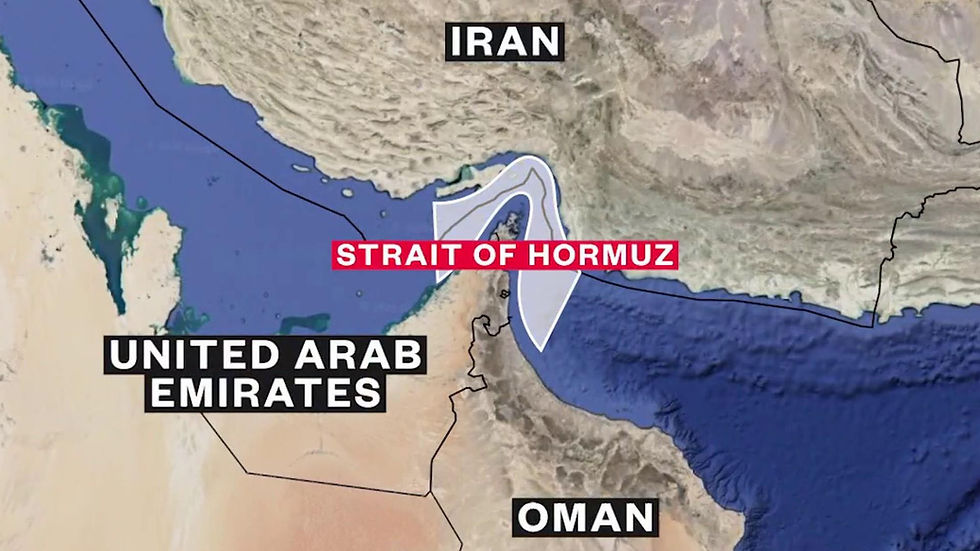
Second, they are simple. A two-minute Lego video is easier to digest than a 4,000-word policy analysis on the Strait of Hormuz, nuclear escalation, or American credibility in the Middle East.
Third, they match the American internet’s appetite for humiliation content. Americans do not just consume politics now; they consume politics as entertainment. We want villains, memes, dunks, catchphrases, reaction clips, and absurdity. Iran did not invent that weakness. It is exploiting it.
Fourth, the videos borrow a childhood visual language. Lego-style animation feels playful, familiar, and unserious. That makes the message more shareable. A graphic image of war may repel people. A toy-like parody of war gets reposted.
Finally, they work because the White House has already entered the meme battlefield on weak terrain. Reuters reported that the Trump administration has used stylized social media videos blending military imagery with pop culture, including SpongeBob, Iron Man, Call of Duty, and action-movie aesthetics, drawing criticism for “gamifying” war. The Washington Post similarly described the White House’s Iran strike messaging as a meme-heavy digital campaign that mixed combat footage with entertainment references.
Once the White House made war look like content, Iran responded with better content.
That is the strategic embarrassment.
The White House Reaction: Outmaneuvered
The White House does not appear to have developed a serious institutional counter to the Lego videos. Instead, it has largely fought meme with meme — trying to project dominance through stylized “hype videos” and digital bravado. Reports have described backlash against these White House posts, including criticism that they trivialize real conflict and human death.
That is not a counter-PsyOp. That is a vibes contest.
And Iran is winning that contest because it is easier to mock power than to defend it. The United States has to explain legality, strategy, escalation control, civilian casualties, alliance politics, oil prices, and mission objectives. Iran only has to make Trump look ridiculous.
The White House has been outmaneuvered because it confused attention with persuasion. Millions of views do not equal strategic credibility. A viral strike video may excite the base, but it can also feed the enemy’s narrative that America is reckless, unserious, arrogant, and addicted to spectacle.
What the White House Should Do

The counter is not to make cornier memes. The counter is institutional discipline.
First, the White House needs a rapid-response information cell that treats viral propaganda as an operational threat, not a communications annoyance. Every major viral enemy narrative should be assessed, categorized, and answered quickly.
Second, it should release credible evidence faster when possible: timelines, imagery, declassified clips, casualty assessments, and plain-English explanations. The best antidote to enemy propaganda is not always counter-propaganda. Sometimes it is receipts.
Third, it needs message discipline. Stop letting every agency, surrogate, influencer, and digital staffer turn war into a content farm. A government at war should not sound like a teenager running a fan edit account.
Fourth, the administration should separate domestic political hype from strategic communications. Messaging aimed at rallying the base may actively damage America’s credibility abroad.
Fifth, it should use trusted validators: military professionals, regional experts, allied officials, humanitarian voices, and independent briefers. The messenger matters. If the public does not trust the White House, the White House needs messengers the public might still trust.
So why has this not happened yet?
Because institutional counter-propaganda is slow, cautious, legalistic, and evidence-driven. Memes are fast. AI is faster. Also, the White House benefits politically from spectacle. The same media behavior that helps Iran ridicule America also helps the administration feed its domestic supporters. That creates a trap: the White House cannot fully condemn meme-war tactics while using them itself.
How Iran Measures Success

Iran does not need Americans to love Iran. That is not the objective.
The objective is to make Americans doubt America.
Effectiveness can be measured through basic social media metrics: views, shares, comments, reposts, stitches, duets, and mainstream media pickup. The New Yorker reported that the Explosive News clips had already gathered millions of views and enthusiastic Western engagement.
But the deeper measures are psychological.
Are Americans laughing at their own government? Are Trump critics sharing Iranian-aligned content because it confirms their view of him? Are MAGA supporters forced onto defense? Are journalists covering the meme instead of the mission? Are foreign audiences seeing the U.S. as powerful, or as ridiculous? Is public trust in official war reporting declining?
That is narrative penetration. That is morale effect. That is influence.
The battlefield is no longer just where aircraft fly and missiles land. It is also where people decide who looks strong, who looks weak, who looks truthful, and who looks like a clown.
The Iranian Lego videos may look childish. But dismissing them as childish is exactly how you lose to them.
Because in the modern information battlespace, ridicule is a weapon. And right now, Iran is firing it directly into America’s political nervous system.


Comments